
Loading
Chapel Hill, NC
Selective · 36 of 38 programs pay back
20,324 undergraduates, 15 students for every faculty member · Division I-FBS athletics
Estimated over 20 years
$1.27M
Computer Science
Estimated over 20 years
-$24k
Drama/Theatre Arts and Stagecraft
Every college here returns more than this one’s best program, within 250 miles. Only one college within 50 miles returns more, so the search was widened to 250 miles rather than showing you almost nothing.
Colleges of comparable difficulty come first here. Any that admit far fewer applicants than this one sit below them and are marked with what they admit. A more selective college is a different application, not a free upgrade, and part of why its graduates earn more is who it admitted in the first place.
 Georgetown UniversityInternational Business · Washington · 234 mi · $159,452 annual earnings 4 years after graduation, a median across 42 graduates$1.62M
 University of Virginia-Main CampusComputer Engineering · Charlottesville · 150 mi · $148,175 annual earnings 4 years after graduation, a median across 30 graduates$1.42M
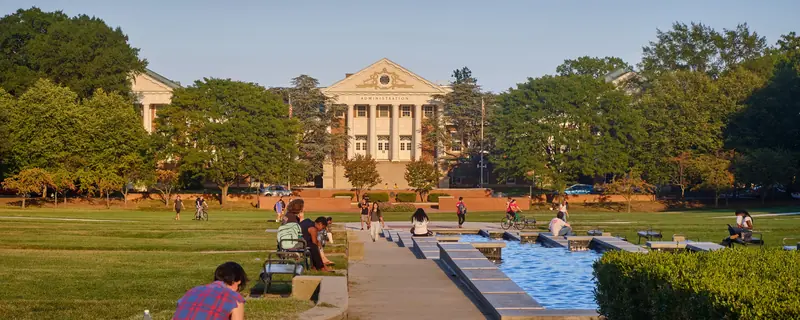 University of Maryland-College ParkComputer Engineering · College Park · 242 mi · $152,422 annual earnings 4 years after graduation, a median across 72 graduatesadmits 40-70%$1.36M
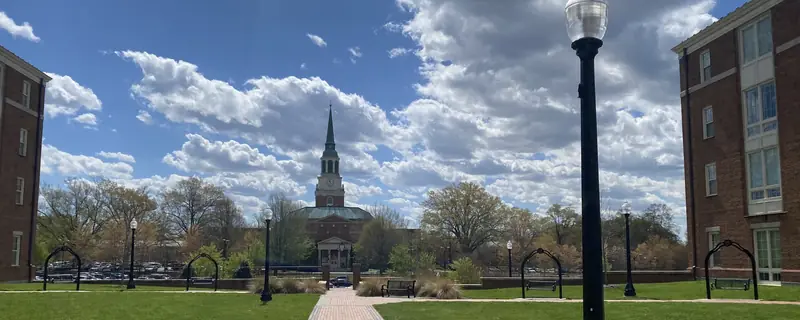 Wake Forest UniversityManagement Sciences and Quantitative Methods · Winston-Salem · 70 mi · $146,608 annual earnings 4 years after graduation, a median across 16 graduates$1.31M
Campus photographs: Georgetown University by AgnosticPreachersKid (CC BY-SA 3.0); University of Virginia-Main Campus by Robert Emerson (CC BY-SA 3.0); University of Maryland-College Park by Blacktupelo (CC BY-SA 4.0); Wake Forest University by Maggiehc23 (CC BY-SA 4.0)
Harder to get into than this college, by the same measure
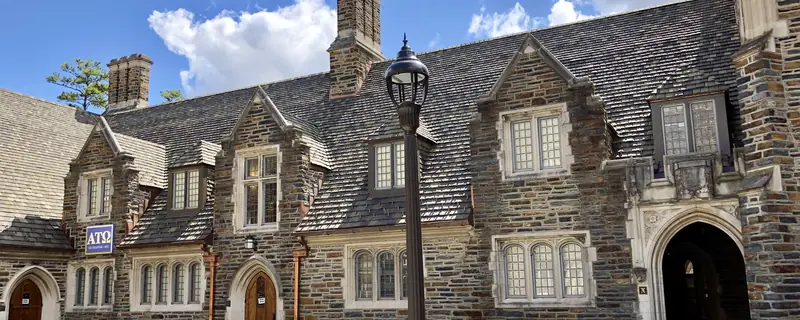 Duke UniversityMathematics · Durham · 9 mi · $297,029 annual earnings 4 years after graduation, a median across 17 graduatesadmits 6%$3.62M
Campus photograph: Duke University by Warren LeMay (CC0)
Holding the subject fixed and changing the college, for this college’s three strongest programs. The list above compares whole colleges at their best; this one answers the narrower question a student who already knows their subject is actually asking.
Duke UniversityDurham · 9 mi · $195,809 annual earnings 4 years after graduation, a median across 167 graduates$2.17MGeorgetown UniversityWashington · 234 mi · $143,900 annual earnings 4 years after graduation, a median across 33 graduates$1.40MCampus photographs: Duke University by Warren LeMay (CC0); Georgetown University by AgnosticPreachersKid (CC BY-SA 3.0)
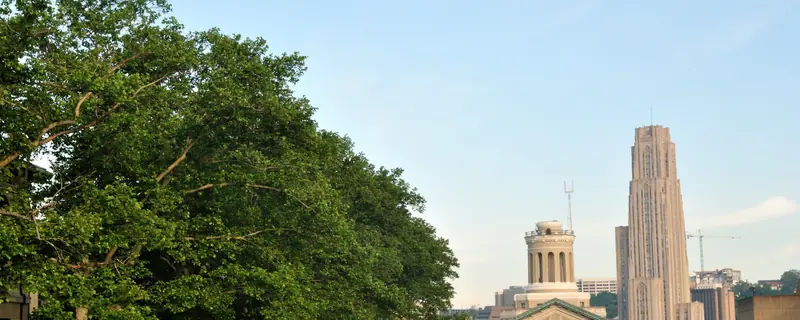 Carnegie Mellon UniversityPittsburgh · 317 mi · $160,783 annual earnings 4 years after graduation, a median across 119 graduates$1.57M
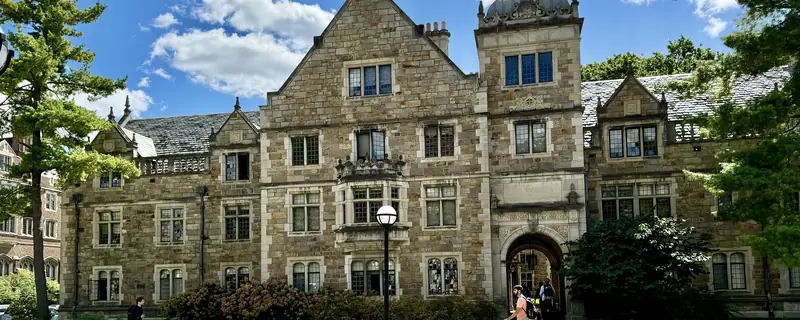 University of Michigan-Ann ArborAnn Arbor · 506 mi · $144,654 annual earnings 4 years after graduation, a median across 551 graduates$1.40M
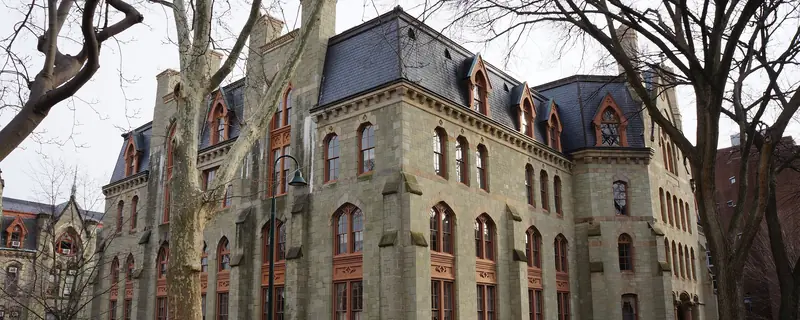 University of PennsylvaniaPhiladelphia · 349 mi · $136,806 annual earnings 4 years after graduation, a median across 51 graduates$1.35M
Campus photographs: Carnegie Mellon University by Asamudra (CC BY 3.0); University of Michigan-Ann Arbor by w_lemay (CC BY-SA 2.0); University of Pennsylvania by Michel Alexandre Salim (CC BY-SA 2.0)
 Harvard UniversityCambridge · 616 mi · $170,689 annual earnings 4 years after graduation, a median across 21 graduates$1.83M
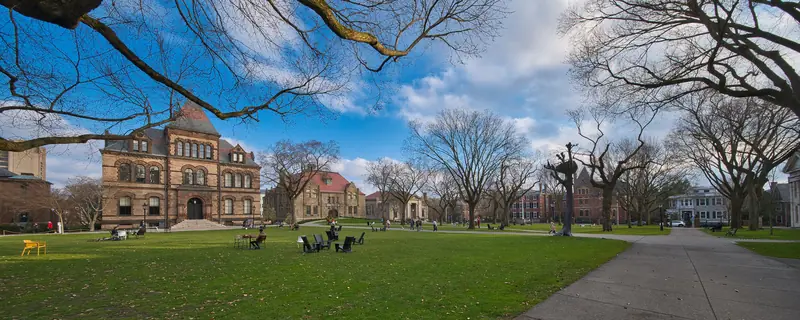 Brown UniversityProvidence · 579 mi · $157,822 annual earnings 4 years after graduation, a median across 50 graduates$1.59M
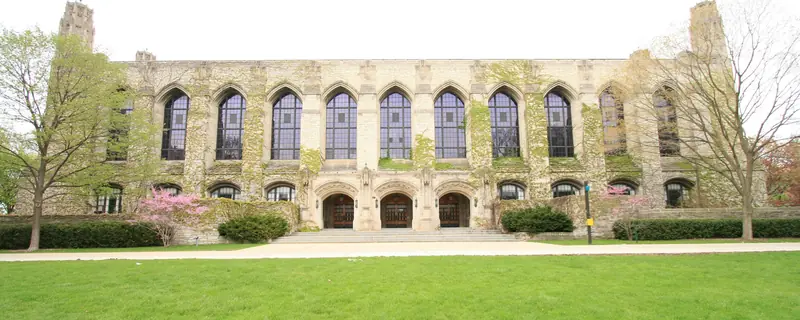 Northwestern UniversityEvanston · 628 mi · $148,740 annual earnings 4 years after graduation, a median across 28 graduates$1.45M
Campus photographs: Harvard University by Ryan Pflaum (CC BY-SA 4.0); Brown University by Chris Rycroft (CC BY 2.0); Northwestern University by Madcoverboy (CC BY-SA 3.0)
Measured from federal filings, not from a survey. Each figure is compared against four-year colleges, because medians differ too much between sectors for a national comparison to describe anything but the sector.
Students and recent alumni of University of North Carolina at Chapel Hill, in their own words, on Reddit. Every quotation links to the thread it came from.
There are several Facebook pages (many bots or spam posts) that relate to UNC housing and sublets but are not UNC official pages.r/UNC
Ah yes, this is what a university should be doing. I'm so glad my department's funding is constantly getting cut in favor of this shit.r/UNC
they informed me my pain and issues "didn't meet the threshold" and they couldn't give me any housing accommodations.r/UNC
UNC wants to tear down Jackson Hall (Office of Undergraduate Admissions) for a 600–700 bed dorm with no public on-campus plan yet for where Admissions goes or how visitors get there.r/UNC
It feels like I sacrificed my mental health and happiness to go to a prestigious school in a time where prestige doesn't matter anymore.r/UNC
the grade deflation in chemistry and physics in particular puts UNC graduates at a disadvantage when applying to graduate/medical programs that only take the science GPA into account.r/UNC
They unfortunately don’t do individual feedback anymore. :/r/UNC
Compare University of North Carolina at Chapel Hill with another college · up to four side by side, on return and on what each place is like.
Share of the 4,640 students who entered as first-year undergraduates in 2024. The states shown are the three largest outside North Carolina, so these do not add to 100%.
Total gain after 20 years is what a graduate is ahead at that point: what the degree pays above a high-school graduate in the same state, less four years of net price and the wages given up while studying, weighted by the share of students who finish. At this college that share is 91%, and it is the same for every program on this page because the federal data reports completion for the institution rather than for individual programs. Four-year and open-admission colleges are ranked separately and never pooled.
Annual earnings 4 years after graduation is the median earnings of that program’s graduates at that point, for students who received federal aid, and is published by program. There is no program-level cost anywhere in the federal data, so net price is the college’s figure applied to each program alike. That is sound for ordering programs against one another and should not be read as a precise figure for any one of them.
Cost on this page is always net price, never the published sticker price. Net price is the college’s full cost of attendance for a year, meaning tuition, required fees, books and supplies, and housing and food, with grant and scholarship aid from federal, state and institutional sources subtracted. Loans are not subtracted, because a loan is not a discount. It is an average for first-time full-time undergraduates receiving federal aid, reported by the college in the income bands shown, so it describes a typical family in that band rather than any particular one. A student living at home, paying out-of-state rates or holding an outside scholarship will not see this figure.
Federal loan debt comes from the College Scorecard and is a median among students who borrowed, not an average across everyone. A college where few students take loans can show a high figure and a small bill for most families, so the share who borrow is printed above it and neither should be read without the other. It counts federal student loans only: private loans and Parent PLUS borrowing are not in it and are not published anywhere comparable, which makes this a floor on what a family owes rather than a total. The figure for students who leave without finishing is the same loans without the degree they were taken for. Default rates are deliberately absent: federal repayment was suspended, so the published three-year rate is zero at almost every college in the country and says nothing about any of them.
Most-awarded programs are degrees conferred in AY2025, first majors only, so a double major counts once. Where two programs are within a few degrees of each other the order between them is not meaningful.
Quotations from students were found by a language model searching Reddit, and selected from threads discussing this college in the window shown beside them. Reddit only, so this is not a survey and not a representative sample: who posts and how much varies enormously by the size and type of a college, and for that reason nothing there is scored, totalled or compared between colleges. Post dates are the model’s own reckoning rather than a retrieved field, so treat them as inside the window and not as exact. Each quotation links to its thread.
What this college is like compares each measure against four-year colleges, because medians differ too much between sectors for a national comparison to describe anything but the sector. A position of “higher than 90%” means the college matches or beats nine in ten of them on that measure, which is why the measured figure is printed beside it. Six of those measures have a better end and carry a mark; the rest are positions with no better end and carry none. There is no overall score, because combining them would need weights and the weights would be our opinion rather than a measurement.
Sources. IPEDS, the Department of Education’s annual survey, except where stated. Each block in the column beside shows its own year, because the underlying files are released on different schedules and a single date across all of them would be false. Published tuition is a sticker price and is never used as a cost; net price is. Test scores are the middle 50% of enrolled students who submitted a score, not of admitted applicants, which is why they differ from the figures other guides print. Where a US News rank is shown it is the current edition, published as a fact about the college rather than an endorsement of the ranking.
The photograph at the top of this page was taken by a member of the public and published under a license that permits reuse with credit. It is not supplied by the college, is not endorsed by it, and shows one building on one day rather than the campus as a whole. We do not generate campus images or buy stock photographs of real places, because a picture of a campus that is not that campus is a lie about somewhere real. Full credit: “2008-07-11 UNC-CH Wilson Library 1.jpg”, Ildar Sagdejev / Specious, via Wikimedia Commons. CC BY-SA 3.0. Source: https://commons.wikimedia.org/wiki/File:2008-07-11_UNC-CH_Wilson_Library_1.jpg. License/status: https://creativecommons.org/licenses/by-sa/3.0/.